
Starting an online optical business can be a game-changer if you approach it with the right mindset and information. Today, more people buy eyewear online for convenience, price, and style choices. But entering this market is not as simple as selling sunglasses or prescription glasses on a website. You need to understand the industry, know regulations, build trust, and stand out among competitors. Whether you are an optician, entrepreneur, or someone passionate about eyewear, this guide will help you start strong, avoid common mistakes, and grow your online optical store step by step.
Understanding The Online Optical Market
The eyewear market is booming. In 2023, the global eyewear market was valued at around $172 billion. Online sales are growing fast, especially since the COVID-19 pandemic pushed many people to shop from home. More buyers are comfortable ordering prescription glasses online, thanks to digital prescriptions and virtual try-on tools.
But the optical market is competitive. Large brands like Warby Parker, GlassesUSA, and Zenni Optical dominate online sales. To succeed, you need a unique approach, strong branding, and excellent customer service.
A new online optical business must face not only big brands, but also smaller, specialized stores. Many customers now search for something different: unique frame designs, eco-friendly materials, or special lens features. Understanding these buyer needs is essential.
Key Trends
- Virtual try-on: Customers want to see how glasses look before buying. Modern tools use your webcam or phone camera to show frames on your face. Some stores offer apps, while others have browser-based solutions. This reduces buyer hesitation and can increase sales.
- Customization: Buyers prefer personalizing frames and lenses. They want to select colors, finishes, and lens coatings, or even add engraving. Customization is a strong selling point, especially for younger buyers who value individuality.
- Blue light lenses: Demand is rising due to increased screen time. Many buyers worry about eye strain from computers and smartphones. Blue light blocking lenses are now popular for students, office workers, and gamers.
- Sustainable materials: Eco-friendly frames attract conscious shoppers. Brands offer frames made from recycled plastic, bamboo, or bio-acetate. Packaging and manufacturing processes are also becoming more sustainable.
Challenges
- Prescription accuracy: Ensuring customers receive the right lenses. Prescription errors can cause headaches, eye strain, or even accidents. This is more difficult online because you cannot check the prescription in person.
- Returns: Handling returns and exchanges efficiently. Eyewear is a personal product, so buyers may return items if they do not fit or suit their style. You need clear policies and a simple process for returns.
- Trust: Convincing buyers your products are genuine and safe. Many customers worry about counterfeit frames, low-quality lenses, or data privacy. Building trust takes time and effort.
One insight beginners often miss is the importance of local regulations. Even if you sell globally, you must obey rules where your business is based and where your customers live. Not understanding this can cause legal trouble.
Planning Your Online Optical Business
Starting an online optical shop requires careful planning. Without a clear plan, you risk wasting time and money.
A good plan covers your target market, product range, pricing, and business goals. It also considers practical steps like supplier selection, website setup, and marketing.
Choosing Your Niche
The optical market includes many segments. Picking a niche helps you target customers more effectively.
Some popular niches:
- Prescription glasses: For everyday vision correction. Most buyers need single vision or progressive lenses.
- Designer frames: High-end, branded eyewear. These buyers value style and status.
- Children’s glasses: Specialized designs for kids. Frames must be durable, flexible, and safe.
- Sports eyewear: Durable glasses for athletes. Includes features like wraparound frames and impact resistance.
- Reading glasses: Simple, non-prescription lenses. Often bought in bulk or as fashion accessories.
- Sunglasses: Fashion and UV protection. Can include polarized lenses, mirrored finishes, or gradient tints.
- Blue light blocking: Protection for digital device users. Attractive to remote workers and gamers.
You can combine niches or focus on one. For example, you might sell eco-friendly children’s glasses or stylish blue light blockers.
A unique niche can help you stand out. For example, some stores focus only on pet-friendly or allergy-free materials. Others target people with larger or smaller face shapes, offering frames that fit better.
Market Research
Study your competitors. Learn what works and what doesn’t. Use tools like Google Trends and Statista for data.
Key questions to ask:
- Who are your main competitors?
- What prices do they offer?
- What are their customer reviews like?
- Which products are most popular?
- How do they handle shipping, returns, and support?
Identify gaps in the market. Maybe competitors lack customization or fast shipping.
Look at social media groups, forums, or review sites to understand customer pain points. For example, you may find buyers complain about slow delivery or confusing prescription entry. These are opportunities for you.
Legal Requirements
Selling optical products involves strict regulations, especially for prescription lenses.
- Check your country’s rules for online optical sales.
- In the US, you must follow FDA guidelines for medical devices.
- You may need to partner with licensed opticians for prescriptions.
- Protect customer data (HIPAA compliance).
Consult a legal expert for advice before launching.
Some countries require you to display licensing information on your website. Others limit who can sell prescription lenses. Always check before you start.
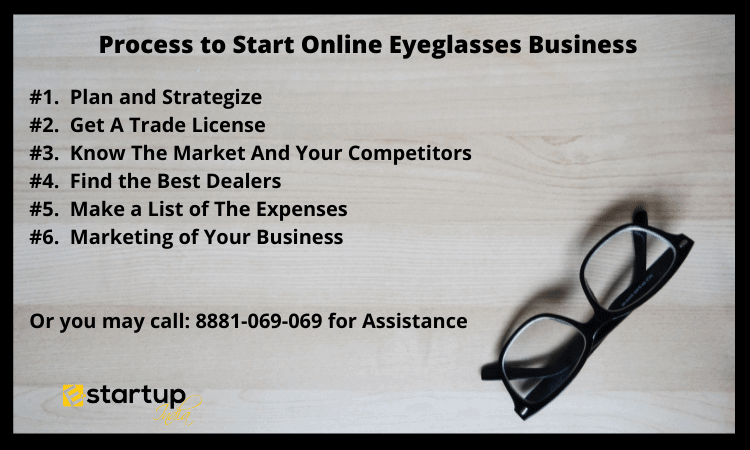
Credit: e-startupindia.com
Creating Your Business Model
Your business model shapes how you operate, earn money, and deliver value.
A strong business model includes product sourcing, pricing, registration, and customer service.
Product Sourcing
Decide how you will get your products:
- Manufacture your own frames: Higher profit, more control, but needs investment. You can design exclusive frames and build your own brand. Manufacturing lets you offer custom sizing, colors, or materials.
- Wholesale purchase: Buy from established suppliers. This is easier for beginners and allows you to stock well-known brands.
- Dropshipping: Partner with manufacturers who ship directly to customers. You pay only when you sell. Dropshipping lowers upfront costs and lets you test products before investing heavily.
Each method has pros and cons. Dropshipping lowers risk but means less control over quality. Manufacturing gives full control but is expensive.
Some stores use a mix: buying popular frames wholesale, dropshipping new designs, and manufacturing their own line.
Pricing Strategy
Set competitive prices. Consider costs, margins, and what buyers expect.
Compare three pricing models:
| Model | Pros | Cons |
|---|---|---|
| Cost-plus | Simple, ensures profit | May miss market opportunities |
| Competitive | Aligns with market | Can cause price wars |
| Value-based | Focuses on customer value | Needs strong branding |
Cost-plus is easiest for beginners. You add a markup to your costs. Competitive pricing matches your rivals, but can lead to low profits if you race to the bottom. Value-based lets you charge more if your product solves a problem or offers unique benefits.
Look at your niche. Designer frames often use value-based pricing, while reading glasses are usually cost-plus.
Business Registration
Register your business legally. Choose a structure (LLC, corporation, sole proprietorship) that fits your needs. Get necessary licenses and permits.
Registration also helps you open business bank accounts, apply for merchant services, and protect your brand. Some regions require special permits to sell medical devices.
Building Your Online Store
Your website is the core of your business. A well-designed store builds trust and attracts buyers.
A poor website can ruin your reputation. Buyers expect a professional look, easy navigation, and clear information.
Choosing An E-commerce Platform
Pick a platform that suits optical products. Popular choices include:
- Shopify: Easy to use, supports apps for eyewear stores. Shopify has plug-ins for prescription entry and virtual try-on.
- WooCommerce: Good for WordPress users. Flexible, but needs more setup.
- Magento: Best for large stores. Powerful, but requires technical skills.
- BigCommerce: Offers scalability. Good for growing stores.
Look for features like:
- Product customization options
- Secure checkout
- Prescription upload tools
- Virtual try-on integrations
- Inventory management
- Automated email notifications
Some platforms allow you to connect directly to suppliers or lens labs, saving time.
Website Design Tips
A clean, professional design is key. Use simple navigation and clear product images.
- Use high-quality photos of each frame from multiple angles. Show close-ups of materials, hinges, and nose pads.
- Add a virtual try-on tool if possible. This increases buyer confidence.
- Make prescription entry easy. Use step-by-step forms or upload options.
- Offer live chat for quick support. Many buyers have questions before ordering.
Include an About Us page to build trust. Share your story and mission.
Add testimonials from real customers or opticians. Display awards, certifications, or press mentions if you have them.
Essential Website Features
Your optical store needs special features:
- Prescription input: Customers must enter or upload their prescription. Use clear instructions and sample images.
- Frame size guide: Helps buyers choose the right fit. Include measurement tips and comparison charts.
- Lens options: Allow customers to pick lens types (single vision, bifocal, progressive, blue light, etc. ).
- Customization: Let buyers select frame color, lens coatings, engraving.
- Secure payment: Offer trusted payment gateways (PayPal, Stripe, credit cards).
- Order tracking: Allow buyers to check shipping status.
Most platforms have plug-ins for these features. If not, custom development may be needed.
Product Pages
Make product pages detailed but easy to read.
- Show frame measurements clearly. Include width, height, bridge, temple length.
- Explain lens types and coatings. Use simple language and benefits.
- Include reviews and ratings. Display both positive and negative feedback for transparency.
- Offer related products (e.g., cases, cleaning kits).
Add videos showing how to measure your face or enter a prescription. These help buyers and reduce mistakes.
Sourcing Frames And Lenses
Quality products are vital. Poor frames or incorrect lenses can ruin your reputation.
One mistake many new stores make is buying cheap frames to save money. But if frames break or lenses are blurry, customers complain and leave bad reviews.
Finding Suppliers
Look for reliable suppliers:
- Attend eyewear trade shows (like Vision Expo).
- Search online directories (Alibaba, ThomasNet).
- Request samples before ordering large quantities.
- Ask for references from other businesses.
Compare suppliers based on:
| Factor | Why It Matters | How to Evaluate |
|---|---|---|
| Quality | Customer satisfaction, safety | Check certifications, inspect samples |
| Price | Profit margins | Request quotes, compare to market |
| Delivery time | Customer experience | Ask about lead times, reliability |
| Support | Problem solving | Test communication, support policies |
| Inventory | Consistent supply | Ask about minimum orders, restock time |
Look for ISO certification or local quality marks. Visit factories if possible.
Lens Labs
Partner with reputable lens labs for prescription lenses. Some labs specialize in:
- Single vision
- Progressive
- Bifocal
- Blue light blocking
Labs usually require prescriptions in specific formats. Confirm they follow safety standards.
Ask labs about turnaround times, error rates, and replacement policies. Some labs offer direct shipping, which can save time.
Common Supplier Mistakes
- Ignoring certifications: Only buy from certified suppliers.
- Ordering too much: Start small, test quality first.
- Missing contracts: Always use written agreements.
- Not checking references: Contact other businesses to confirm supplier reliability.
Another insight: Some suppliers offer private label services. You can sell frames under your own brand, even if they manufacture them.
Managing Prescriptions And Compliance
Prescription accuracy and safety are non-negotiable. Mistakes can harm customers and damage your business.
Prescription management is more complicated online than in a physical store. You cannot check the buyer’s vision directly.
Prescription Collection
Allow customers to upload, email, or enter their prescription. Make the process clear and secure.
- Accept standard formats from opticians.
- Offer help for customers unsure about their prescription.
- Include sample images of prescriptions on your website.
Some stores let buyers take a photo of their prescription and upload it. Others have a form where buyers enter numbers for sphere, cylinder, axis, and add.
Verification
Verify all prescriptions before processing orders. Work with licensed opticians if required.
Some platforms offer automated verification tools. Consider adding this for speed and safety.
Manual checks are important for complex prescriptions. For example, progressive lenses need precise measurements.
Compliance Rules
Follow local laws for prescription eyewear. In the US:
- You must keep records of prescriptions.
- Only licensed professionals can dispense prescription lenses.
- Follow FDA and FTC guidelines.
Check rules in your country. Consult legal advisors if unsure.
Some countries require you to verify prescriptions with the issuing optician. Others allow buyers to use old prescriptions.
Data Protection
Protect customer data. Use secure servers, encrypted communication, and privacy policies.
Display your privacy policy clearly. Explain how you use and protect customer information.
Developing A Brand That Builds Trust
Branding sets you apart from competitors. Strong branding creates loyalty and repeat business.
Many new businesses focus only on products, but branding matters as much. Buyers need to trust you before they order.
Logo And Visual Identity
Design a logo that fits your style—modern, classic, or playful. Use consistent colors and fonts across your website.
A good logo is memorable and looks professional. Avoid complicated designs that do not scale well.
Brand Story
Share your story. Why did you start an optical business? What makes your products special? People connect with brands they trust.
Explain your mission: better vision, eco-friendly materials, affordable style, or expert support.
Add photos of your team, workspace, or manufacturing process.
Messaging
Use clear, simple language. Avoid jargon. Explain benefits, not just features.
Examples:
- Instead of “polycarbonate lenses,” say “lightweight, impact-resistant lenses.”
- Focus on how your glasses improve daily life.
Use positive, friendly tone. Answer common buyer questions in your messaging.
Packaging
Use branded packaging. Include a cleaning cloth, case, and instructions. Small touches build trust and delight customers.
Some stores add a thank-you note or coupon for the next purchase. Packaging should protect glasses during shipping.
Marketing Your Online Optical Store
Even the best products need marketing. Without it, buyers may never find your store.
Marketing is ongoing. You need a mix of strategies to reach buyers and build loyalty.
Search Engine Optimization (seo)
Optimize your website for search engines. Use keywords related to online optical business, frames, lenses, and your niche.
- Write detailed product descriptions.
- Add alt text to images.
- Build backlinks from trusted sites.
Use tools like SEMRush and Ahrefs to research keywords.
Add FAQ sections to product pages. Google often shows these in search results.
Paid Advertising
Try Google Ads and Facebook Ads to reach buyers fast.
- Target people searching for “buy glasses online” or “prescription eyewear.”
- Use retargeting ads for visitors who didn’t buy.
Set a budget and track results.
Experiment with different ad types: carousel ads, video ads, or influencer ads. Test images and messaging.
Social Media
Build a presence on:
- Instagram: Share frame styles, customer photos.
- Facebook: Run contests, engage with followers.
- Pinterest: Post stylish eyewear boards.
Post regularly. Respond to comments and questions.
Use hashtags relevant to your niche: #eyewear, #glassesfashion, #blueblockers.
Share behind-the-scenes photos or videos. Show your team or manufacturing process.
Email Marketing
Collect emails from visitors and buyers.
- Send welcome emails, promotions, and new product announcements.
- Offer discounts for first-time buyers.
Use platforms like Mailchimp or Klaviyo.
Segment your email list: send different messages to buyers, browsers, and newsletter readers.
Influencer Partnerships
Partner with influencers in the eyewear or fashion space. Send samples for reviews or sponsored posts.
- Choose influencers with engaged followers.
- Track ROI by using unique discount codes.
Micro-influencers (smaller accounts) often deliver better engagement and cost less.
Content Marketing
Write blog posts about:
- Eyewear trends
- Caring for glasses
- Eye health tips
This builds authority and attracts organic traffic.
Consider video content: how-to guides, frame reviews, or interviews with opticians.
Customer Experience And Support
Happy customers lead to repeat sales and good reviews.
Customer experience is your best marketing tool. Good support and easy returns build trust.
Shipping And Returns
Offer fast, reliable shipping. Provide tracking numbers.
- Choose trusted carriers (FedEx, UPS, DHL).
- Set clear shipping policies.
Make returns easy. Offer free returns if possible. Explain the process on your website.
Include a prepaid return label in each order. If you cannot offer free returns, explain costs upfront.
Use packaging that protects glasses during transit. Broken frames lead to complaints.
Customer Support
Give buyers multiple ways to reach you:
- Live chat
- Phone
Respond quickly. Train your team to answer common questions.
Add a help center or FAQ on your website. List answers to questions about prescriptions, returns, and lens options.
Warranty And Guarantees
Offer warranties on frames and lenses. Typical warranty periods are 1 year.
- Cover manufacturing defects, not misuse.
- Explain terms clearly.
A strong guarantee builds trust and reduces buyer hesitation.
Some brands offer a 30-day satisfaction guarantee. If buyers are unhappy, they get a refund or exchange.
Handling Complaints
Listen to customer complaints. Fix problems quickly. Offer refunds or replacements if needed.
Track complaints to spot patterns. If you see many complaints about a frame, check your supplier.
Scaling Your Optical Business
Once your store is running, focus on growth.
Scaling means increasing sales, improving efficiency, and expanding your reach.
Expanding Product Range
Add new products as you grow. Examples:
- Contact lenses
- Eyewear accessories (cases, cleaning sprays)
- Smart glasses
Analyze sales data to spot trends.
Introduce new collections seasonally. Test products with limited launches before full rollout.
International Sales
Sell to other countries if regulations allow. Translate your website and offer local currencies.
- Understand import/export rules for eyewear.
- Offer international shipping options.
Research customs duties and taxes. Some countries require special permits for prescription lenses.
Localize your marketing: use local influencers, adapt messaging to cultural preferences.
Automation
Use tools to automate tasks:
- Order processing
- Inventory management
- Email marketing
This saves time and reduces errors.
Connect your e-commerce platform to suppliers, warehouses, or shipping providers.
Partnerships
Partner with opticians, eye clinics, or physical stores. Offer exclusive deals or co-branded products.
Run joint promotions or bundle services (eye exams plus glasses).
Loyalty Programs
Reward repeat buyers. Points, discounts, or free gifts encourage loyalty.
- Set up a simple points system.
- Email customers about rewards.
Use loyalty apps or plugins. Offer birthday discounts or referral bonuses.
Credit: dreamdeveloper.org
Measuring Success And Improving
Track key metrics to know what’s working.
Improvement comes from data, feedback, and regular reviews.
Analytics
Use tools like Google Analytics to monitor:
- Website traffic
- Conversion rates
- Bounce rates
Analyze which products sell best.
Track the source of your traffic: search, ads, social, or email.
Set goals for each quarter: sales, traffic, or customer satisfaction.
Customer Feedback
Ask buyers for feedback. Use surveys or reviews to learn what they like or dislike.
- Improve products based on feedback.
- Fix website issues or confusing processes.
Contact unhappy buyers to solve problems. Happy customers may refer friends.
Regular Audits
Review your website and business operations every few months.
- Check compliance with laws.
- Test the buying process.
- Update product descriptions and images.
Audit suppliers, partners, and marketing channels. Remove low-performing products.
Competitor Tracking
Watch what competitors do. Update your offerings to stay ahead.
Sign up for competitor newsletters. Follow their social media. Check their prices and product launches.
Common Mistakes To Avoid
Starting an online optical business is exciting, but mistakes can cost you time, money, and reputation.
- Skipping market research: Without research, you may miss buyer needs.
- Choosing unreliable suppliers: Poor quality ruins trust.
- Ignoring legal compliance: Risks fines or shutdown.
- Weak branding: Hard to stand out.
- Complicated website: Buyers leave if navigation is confusing.
- Slow shipping: Leads to complaints and bad reviews.
- Poor customer support: Drives buyers away.
- Not measuring results: You can’t improve what you don’t track.
- Failing to update products: Trends change fast; keep your catalog fresh.
- Over-promising: Only promise what you can deliver.
Avoiding these mistakes makes your business more stable and trustworthy.

Credit: dreamdeveloper.org
Real-life Examples Of Successful Online Optical Stores
Learning from successful brands helps you see what works.
Warby Parker
Started online, now has physical stores. Focused on affordable, stylish glasses. Offers home try-on kits and virtual try-on.
Warby Parker’s home try-on lets buyers test frames before purchasing. Their branding is strong, and their customer service is fast.
Zenni Optical
Known for low prices and huge selection. Uses a simple website and lets buyers customize lenses.
Zenni’s focus on affordability attracts budget-conscious buyers. They offer many lens options, including blue light and progressive.
Glassesusa
Offers designer frames and prescription lenses. Built trust with strong guarantees and live chat support.
GlassesUSA uses influencer partnerships and content marketing to reach buyers. Their returns process is simple and transparent.
Each brand found a unique niche, built trust, and made buying glasses online simple.
Practical Tips For New Optical Entrepreneurs
Sometimes, small changes make a big difference. Here are two non-obvious insights:
- Invest in virtual try-on technology: Many buyers hesitate to buy glasses online because they can’t see how frames look on their face. Virtual try-on increases conversion rates.
- Offer lens replacement services: Not all buyers want new frames. Some need new lenses for existing glasses. This is a niche with less competition and steady demand.
Other practical advice:
- Use simple, clear product descriptions.
- Test your website on mobile devices.
- Offer after-sales support for lens adjustments.
- Create step-by-step guides for prescription entry.
- Send follow-up emails after delivery to check satisfaction.
Always listen to buyer feedback. Regular improvements help your business grow.
Frequently Asked Questions
What Are The Main Regulations For Selling Prescription Glasses Online?
You must follow medical device laws in your country. In the US, prescription glasses are regulated by the FDA and FTC. Only licensed professionals can dispense prescription lenses. Keep records of prescriptions and protect customer data. Consult legal experts for details.
How Can I Ensure Prescription Accuracy For Online Orders?
Collect prescriptions in standard formats. Use automated verification tools and work with licensed opticians. Double-check all data before processing orders. Offer help for buyers confused about prescription details.
What Are The Best Ways To Market An Online Optical Business?
Use a mix of SEO, paid ads, social media, email marketing, and influencer partnerships. Focus on clear messaging and high-quality visuals. Build trust with reviews, guarantees, and strong customer support.
How Much Money Do I Need To Start An Online Optical Store?
Costs depend on your model. For dropshipping, you can start with $5,000–$10,000. Manufacturing your own frames may require $50,000 or more. Budget for website, marketing, inventory, legal fees, and shipping.
What Are The Biggest Challenges For New Online Optical Businesses?
Common challenges include prescription accuracy, legal compliance, supplier quality, building trust, and attracting buyers. Overcome these by planning carefully, using reliable partners, and focusing on customer experience.
Starting an online optical business is a journey. It takes dedication, attention to detail, and a focus on quality. If you follow the steps above, avoid common mistakes, and keep learning, you can build a store that stands out, earns trust, and grows for years to come. For more industry insights, visit Wikipedia.
