
You can achieve a professional look and protect your business identity by hiding the supplier’s address on your shipping labels through a private labeling service or a third-party fulfillment center. These services replace the original manufacturer’s return address with your own business address before the package reaches the customer. Your specific result depends on the shipping platform you choose, the agreements you have with your suppliers, and the specific rules of the courier handling your parcels.
Who this guide is for
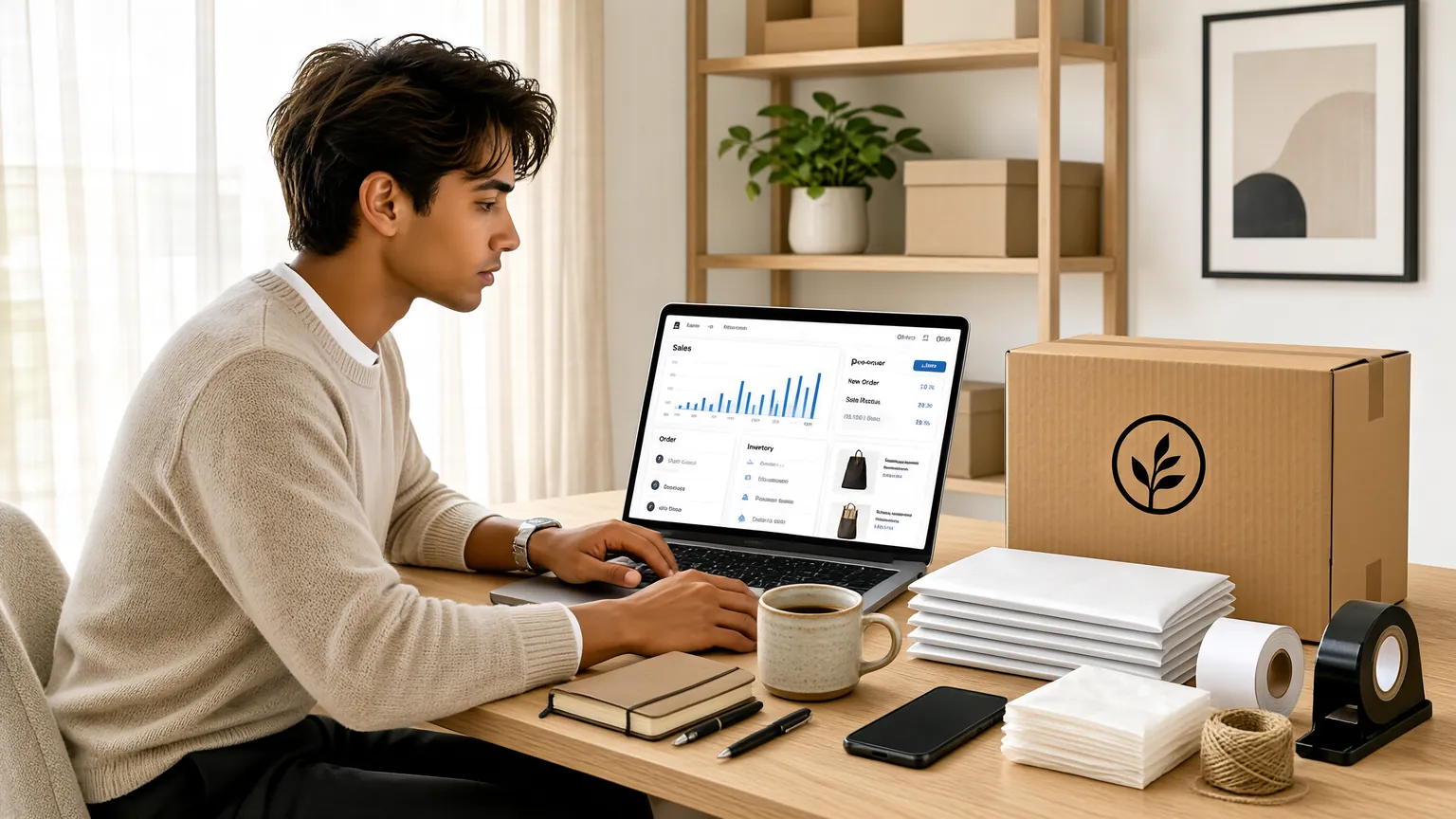
This article serves online store owners who fulfill orders through third-party suppliers and want to maintain a consistent brand image. It’s designed for sellers who use platforms like Shopify or WooCommerce and are ready to move beyond basic shipping settings. If you’re just starting out and haven’t yet picked a supplier, these steps clarify the professional standards you should demand from your partners.
This page assumes you’re using a dropshipping model where you don’t personally handle the inventory. If you’re a manufacturer shipping your own products, you likely already control your own label printers and account settings. This guide isn’t for those who handle their own logistics, as their process involves different software integrations.
If you’re looking for advice on how to legally register your business address for shipping, you should consult your local government’s small business resources. We focus here on the practical steps to mask third-party origin details to ensure your customers see only your brand information on the package.
Factors that influence your shipping labels
The most important factor is the agreement you have with your supplier. Many professional dropshipping suppliers offer “blind dropshipping” as a standard service, where they remove their branding and replace the return address with yours. You must verify if your supplier supports this before you place your first order, as some smaller suppliers lack the systems to customize labels.
Your choice of shipping software also changes the outcome. Modern platforms allow you to input your own return address in the settings, which can be passed to the supplier’s fulfillment system to be printed on the shipping label.
If you use a manual process, you’re at the mercy of the supplier’s willingness to change the label, which often leads to errors. People often make the mistake of assuming the supplier will automatically hide their address without being asked; this oversight can lead to customers contacting the supplier directly, bypassing your support team entirely.
The courier service you use also plays a role in what information appears on the label. Some international carriers require the original point of origin for customs compliance, while domestic carriers are more flexible. Always confirm with your carrier if they allow a “care-of” address or a specific return address format for your business type.
Steps to hide supplier address on dropshipping labels
- Contact your supplier to confirm they support blind dropshipping or custom return addresses.
- Log into your store’s shipping settings dashboard and navigate to the “Return Address” section.
- Replace the supplier’s warehouse address with your own verified business address or a registered P.O. box.
- If you use an app like DSers or Zendrop, enable the “Blind Shipping” or “Hide Supplier Info” toggle in the app’s preferences.
- Create a test order to your own home or office to verify that the label displays your address.
- Check the package when it arrives to ensure no supplier invoices or marketing materials are inside the box.
- Document the results of your test to ensure consistency across all future shipments.
- If the supplier can’t change the label, consider switching to a third-party fulfillment center that offers private labeling services.
The key judgment call is deciding whether to use your home address or a P.O. box. Using your home address is free but exposes your private location, whereas a P.O. box costs a small recurring fee but keeps your home private. Once you have a system that reliably prints your address, you have successfully separated your brand from the manufacturing source.
Shipping label options at a glance
| Situation | Action to take | Effort required | What to watch for |
|---|---|---|---|
| Supplier supports blind shipping | Enable toggle in settings | Low | Check first package |
| Supplier refuses label change | Find new supplier | High | Product quality risks |
| Using fulfillment center | Use their dashboard settings | Medium | Monthly storage fees |
| Manual shipping process | Request custom note/label | High | High error rate |
| International shipping | Check customs regulations | Medium | Legal origin rules |
Maintaining brand consistency
Experienced sellers ensure their return address is clear and legible to improve customer trust. A professional label includes your store name on the first line, followed by your address, which helps if a package is returned. Beginners often leave the supplier’s name on the label, which confuses customers and can lead to negative reviews. Always prioritize your store name so the customer knows exactly who to contact for returns or questions.
Managing returns and customs
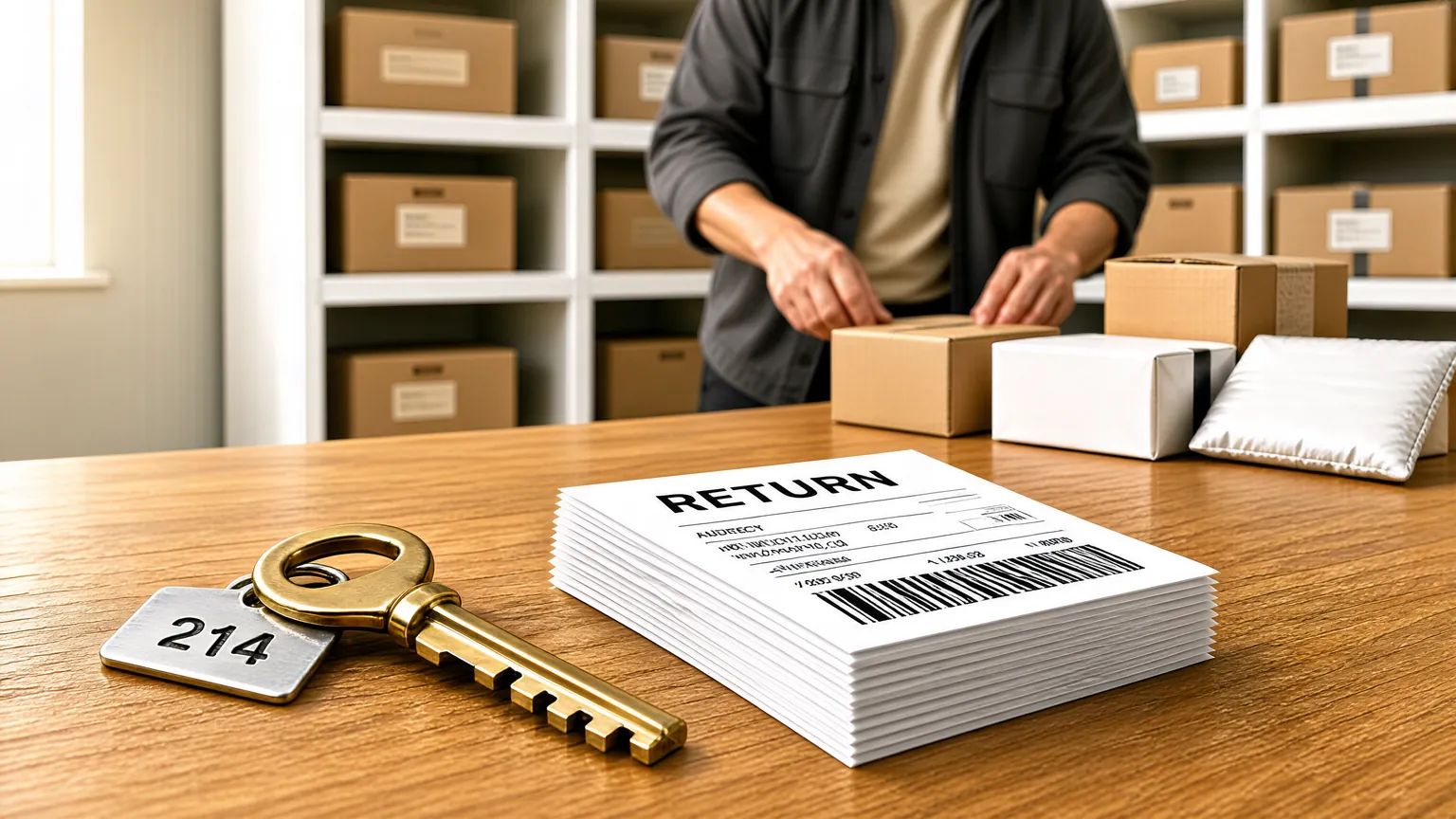
Properly handling returns is vital because if a customer sends a package back to a supplier, you may lose that inventory. Experienced dropshippers often use a dedicated returns management service or a local P.O. box to collect these items. Beginners frequently forget to provide a return policy on their website, which leads to confusion and unnecessary shipping costs. Always clearly state your return address on your website’s footer to avoid delivery issues.
Common shipping label issues
| What you notice | What it means | What to do first | How to stop it |
|---|---|---|---|
| Supplier name on label | Settings are incorrect | Update store profile | Use blind shipping |
| Package returned to supplier | Wrong return address | Contact the customer | Update your return settings |
| Customs holds package | Missing origin info | Provide manifest | Check carrier rules |
| Label is hard to read | Printer issue | Request new label | Use verified software |
| Customer contacted supplier | Branding leak | Use private label | Remove supplier inserts |
Rules for accurate labels
Shipping regulations vary by region, and you must comply with the laws of the country where you’re shipping. For instance, the Federal Trade Commission in the United States requires that labels accurately reflect the seller’s identity to protect consumers. If you’re shipping internationally, you must follow the rules set by the destination country’s customs agency regarding the declaration of goods and origin.
Never attempt to hide the origin of goods if you’re required by law to declare them for customs or tax purposes. If you’re unsure about the legal requirements for your specific products, consult an attorney or your local chamber of commerce. Providing false information on a customs declaration is a serious legal risk that can lead to fines or the seizure of your inventory.
Understanding the real costs
The cost of hiding a supplier’s address is usually a mix of time and small service fees. If your supplier charges a “blind shipping” fee, it might add a few cents to each order. If you choose to use a professional fulfillment center to handle your branding, you’ll pay for storage and labor, which increases your per-unit cost. These costs are the price of building a unique brand that customers recognize and trust.
Keeping your shipping process right
Suppliers sometimes change their internal processes, which can accidentally revert your labels to the warehouse address. If you notice a customer complaining about a strange return address, immediately stop your current orders and verify your settings with the supplier. Keeping a small stock of your own branded packaging materials is the best way to ensure the customer experience remains consistent over time.
When this approach is the wrong choice
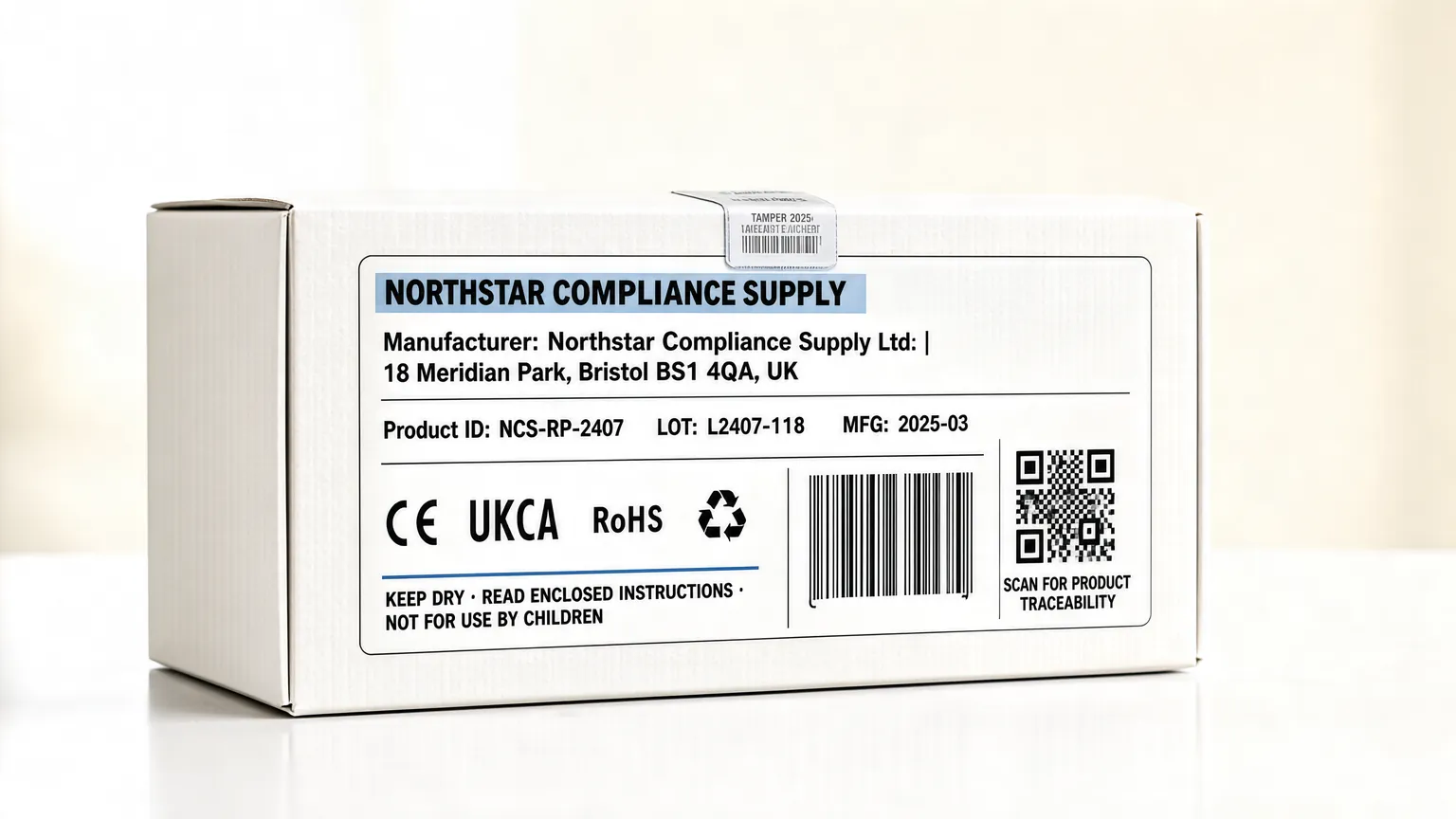
If you’re selling high-value or regulated items, trying to hide the supplier address might be illegal or dangerous. In these cases, you must be transparent about the manufacturer to comply with safety standards and consumer protection laws. If you find that your supplier’s products are constantly failing safety checks, don’t try to hide the address; switch to a reputable supplier who follows international quality standards. Transparency is always better than risking your business reputation.
Frequently asked questions
Can I use a P.O. box as a return address?
Yes, you can use a P.O. box as your return address to keep your home location private. Most shipping carriers accept P.O. boxes, but you must ensure your local post office allows you to receive packages from the specific courier you’re using for your dropshipping business.
How long does it take to set up blind shipping?
It usually takes 1 to 2 business days to set up blind shipping once you contact your supplier. You’ll need to wait for their account manager to confirm the change in their system, and you should always run a test order to verify the label before scaling your sales.
Is it safe to hide the supplier’s address?
It’s safe to hide the supplier’s address as long as you provide your own valid business contact information for returns. You must never hide the origin of goods if customs regulations in your destination country require a clear declaration of the manufacturing location for tax or safety purposes.
What happens if a customer returns a package to the supplier?
If a package is returned to the supplier, you’ll likely lose the item and the shipping costs associated with the return. You should always provide a clear return address on your website and in your shipping confirmation emails so that customers know exactly where to send their returns.
Does it matter if the return address is different from the warehouse?
It doesn’t matter for the shipping process, provided the address is valid and can receive mail. The courier only cares that the return address is a deliverable location, but your customers will care that the address matches the brand they bought from to ensure they feel secure.
How do I stop supplier marketing materials from being included?
You stop supplier marketing materials by explicitly requesting “blind dropshipping” or “private labeling” in your contract with the supplier. Many professional suppliers have a specific checkbox in their ordering dashboard to exclude invoices and promotional flyers, which you must select for every order you process.
Conclusion
Start by contacting your supplier today to ask if they support blind shipping. Once they confirm, update your store’s return address in your shipping settings and run a single test order to ensure the label displays your information. If you see your own business name and address on the label, you have successfully protected your brand, but if you see the supplier’s info, contact their support team to resolve the issue immediately.
