
The answer is that you can dropship organic food safely only if you maintain a strict chain of custody and ensure all suppliers meet government certification standards. You must verify that every product is handled, stored, and shipped in a way that prevents contamination and preserves its organic status from the warehouse to the customer’s door.
Your success depends on three factors: the quality of your supplier’s certification, your ability to manage temperature-sensitive logistics, and your compliance with local food safety regulations. These conditions determine whether you can operate a business without risking legal penalties or customer health issues.
Who should dropship organic food safely

This guide is for entrepreneurs who want to sell high-quality, shelf-stable organic goods without holding inventory themselves. It’s best suited for those who already understand e-commerce logistics and are prepared to perform deep due diligence on potential manufacturing partners. If you’re looking for a way to start a business with zero effort or no interest in supply chain management, this isn’t the right path for you.
To succeed here, you must assume the role of an auditor. You need to read certifications, verify shipping methods, and monitor customer feedback for any signs of product spoilage or packaging failure. This page serves the reader who is willing to build a professional relationship with vetted suppliers.
If you prefer to sell items that don’t expire or require temperature control, you should look into non-perishable goods like home decor or office supplies, which carry far lower risks regarding health and safety.
What decides the outcome
The most important factor is the verification of the supplier’s organic certification. You must ensure they hold a valid USDA Organic Certification for the specific products they supply. If a supplier can’t provide current documentation from a recognized certifying agent, you can’t legally market those items as organic.
The second factor is the storage environment at the dropshipping facility. Organic food must be stored away from prohibited substances like pesticides or non-organic items that could cause cross-contamination.
The third factor is the shipping method, specifically for temperature-sensitive items. If you choose to sell products that require refrigeration, you must ensure the supplier uses insulated packaging and rapid shipping methods to maintain safe temperatures. Most beginners fail by assuming a standard courier service is enough, which leads to spoiled food and dangerous bacterial growth.
The final factor is the clarity of your liability agreement. You need a written contract with your supplier that outlines who is responsible if a product arrives damaged or contaminated. Without this, you’re personally liable for any health issues caused by the food you sell, which can be devastating for a new business.
Steps to manage your supply chain
- Identify suppliers who hold a valid organic certificate from a government-recognized agency.
- Request a copy of their most recent inspection report to ensure they follow current safety standards.
- Order samples of all products to check for packaging integrity and expiration dates before listing them.
- Confirm the supplier uses food-grade, airtight packaging that protects against environmental contaminants during transit.
- Require the supplier to provide tracking numbers for every shipment so you can verify delivery times.
- Set up a system to monitor customer complaints regarding food quality or spoilage immediately.
- Discontinue partnerships with any supplier that fails to provide updated certifications or has multiple quality issues.
- Keep digital records of all organic certificates and supplier contracts for at least three years for tax and safety audits.
The judgement call that separates a professional from a hobbyist is the refusal to list a product until you have physically inspected the packaging and verified the supplier’s ability to ship it safely. If a supplier can’t guarantee that their storage facility is free from cross-contamination, walk away regardless of how high the potential profit margins appear.
Variations in food logistics
| Situation | Action to take | Effort level | Watch for |
|---|---|---|---|
| Shelf-stable goods | Check expiration dates | Low | Damaged seals |
| Refrigerated items | Verify cold-chain logistics | High | Temperature spikes |
| Frozen products | Use dry ice shipping | High | Thawing during transit |
| Bulk dry items | Check airtight storage | Medium | Moisture or pests |
| Single-serve snacks | Audit packaging materials | Low | Broken containers |
The primary mistake logistics managers make is applying a “one-size-fits-all” transit protocol to every category. This oversight often results in unnecessary costs or, worse, total inventory loss.
When handling refrigerated items, you must verify that your carrier uses continuous temperature logging. If your shipment exceeds 41°F for more than two hours, the entire lot is legally compromised for human consumption. Don’t accept a verbal “it stayed cold” assurance; demand the digital sensor logs for the specific pallet.
Frozen goods require a different decision rule. If your transit time is under 24 hours, insulated thermal blankets may suffice. Skimping on this ratio leads to surface thawing, which ruins the structural integrity of processed foods.
For bulk dry items, the critical failure point is humidity. You must install hygrometers at eye level near the loading docks.
Finally, distinguish between high-velocity and low-velocity items. If your inventory turnover is under 14 days, you can prioritize lower-cost, standard packaging. If the items sit for over 30 days, invest in vacuum-sealed barriers to prevent oxidation and pest infiltration.
Details that define professional quality
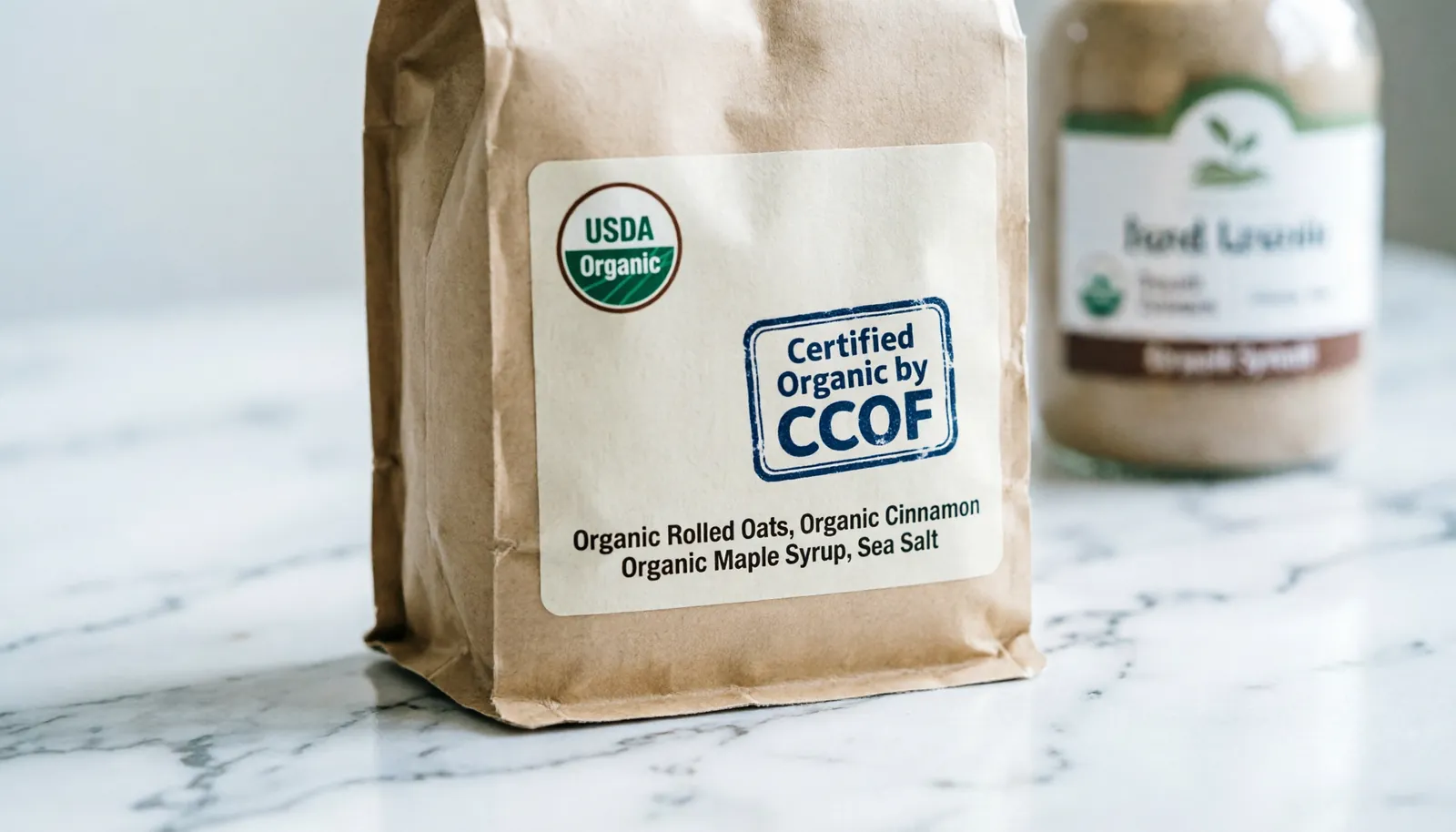
Supplier communication and transparency
Experienced sellers demand clear communication regarding the exact location where food is stored. They ask for photos of the warehouse and documentation of the cleaning schedule. Beginners often rely on the supplier’s word, which is a mistake that leads to damaged goods and lost customers. If a supplier is hesitant to show you how they handle their stock, assume they’re hiding poor hygiene practices.
Monitoring delivery performance
Professionals track the “time-in-transit” for every order to ensure food doesn’t sit in hot warehouses or trucks. They set internal rules: if a shipment takes more than three days to arrive, they switch to a faster courier. Beginners often choose the cheapest shipping option to save money, but the cost of replacing spoiled food and losing customer trust is significantly higher than the shipping savings.
Managing common operational issues
| What you notice | What it means | What to do first | How to stop it |
|---|---|---|---|
| Damaged packaging | Rough handling | Refund customer | Switch courier |
| Expired stock | Poor inventory rotation | Alert supplier | Audit stock dates |
| Mold or pests | Contamination | Close listings | Change suppliers |
| Slow shipping | Logistical bottleneck | Notify customer | Use express mail |
| Leaking fluids | Poor sealing | Isolate batch | Require better seals |
When you see damaged packaging, check if the inner product remains functional. If the item is intact, offer a partial discount instead of a full refund to save on return shipping costs.
For expired stock, the most common mistake is relying on manual checks. Implement a First-In, First-Out (FIFO) system where older items are physically moved to the front of the shelf. If you notice expiration dates within 30 days, move them to a clearance section immediately.
Mold or pests often indicate humidity issues in your storage facility. If you find signs of infestation, quarantine the entire aisle to prevent cross-contamination. Use a hygrometer to ensure your storage area stays below 60% humidity.
Slow shipping usually points to a specific transit hub. If a package takes more than five days to move from your facility to the sorting center, switch to a different regional carrier.
Leaking fluids are a critical safety hazard. If you detect a leak, check the batch code immediately. Always keep a spill kit nearby to prevent damage to surrounding inventory.
Rules that apply to organic sales
You must comply with the National Organic Program (NOP) standards if you’re operating within the United States. These rules mandate that organic products must be produced and handled according to strict guidelines to ensure they remain free of synthetic pesticides and prohibited fertilizers.
If you’re selling to other countries, you must check the local food safety authority’s website, such as the Food Standards Agency in the UK or the European Food Safety Authority for EU regulations. These bodies set the specific labeling and storage requirements for imported organic food.
Never assume that a US-based certification is enough to sell globally. If a product requires a specific import license, you must obtain one before you sell the first unit. Operating without these permits can lead to the seizure of your goods and heavy fines from customs officials.
What it costs you
The real cost of this business isn’t just the wholesale price of the food; it’s the time you spend on quality assurance. You should expect to spend at least 5-10 hours per week vetting suppliers and reviewing safety documentation. If you skip this, you risk the cost of product recalls, which can easily exceed the revenue you generate from a single product line.
Most beginners mistake the “cost of goods sold” for the total investment. They ignore the administrative overhead of compliance. If you fail to verify a supplier’s third-party audit reports, you’re effectively gambling your entire brand equity on their internal honesty. A single failure here can trigger a mandatory recall, which is far more expensive than the cost of proper oversight.
Additionally, you must account for the cost of returns and damaged inventory. Even with the best suppliers, some items will arrive damaged. You should set aside a reserve fund—typically 10-15% of your monthly revenue—to cover these inevitable losses.
Use this decision rule: if your damage rate stays below 3%, treat it as a standard operating expense. If it climbs above 5%, stop ordering from that specific facility immediately. The cost of switching suppliers is always cheaper than the cost of losing customer trust. This is the price of doing business in a sector where health is the absolute priority. Never view these reserves as lost profit; view them as the insurance policy that keeps your doors open.
Keeping your business compliant
You must keep a digital file for every product that includes its current organic certificate, the supplier’s contact information, and the last date you verified their safety protocols. Set a calendar reminder to check for updated certificates every 12 months. If a supplier’s certificate expires, you must hide the product from your store until they provide the new, valid document.
Many owners mistakenly assume an expired certificate grants a grace period. It does not. Operating without active certification voids your liability insurance and can trigger a mandatory recall if an auditor visits. If your supplier can’t produce a renewed document within 48 hours of your request, pull the inventory.
The sign that a product needs attention is a sudden spike in customer complaints about freshness or packaging. If you receive more than one report of a spoiled item in a single month, stop all sales of that product immediately. Investigate the batch number and contact your supplier to determine if there was a failure in their storage or shipping process.
Use this decision rule: if the issue is isolated to a single batch, quarantine that specific lot and return it to the vendor. If the issue spans multiple batches, you must terminate the supplier relationship. Failing to act on a pattern of spoilage invites regulatory scrutiny that can shut down your entire operation. Track these complaints in a dedicated logbook to identify trends before they become legal liabilities.
When to seek another approach
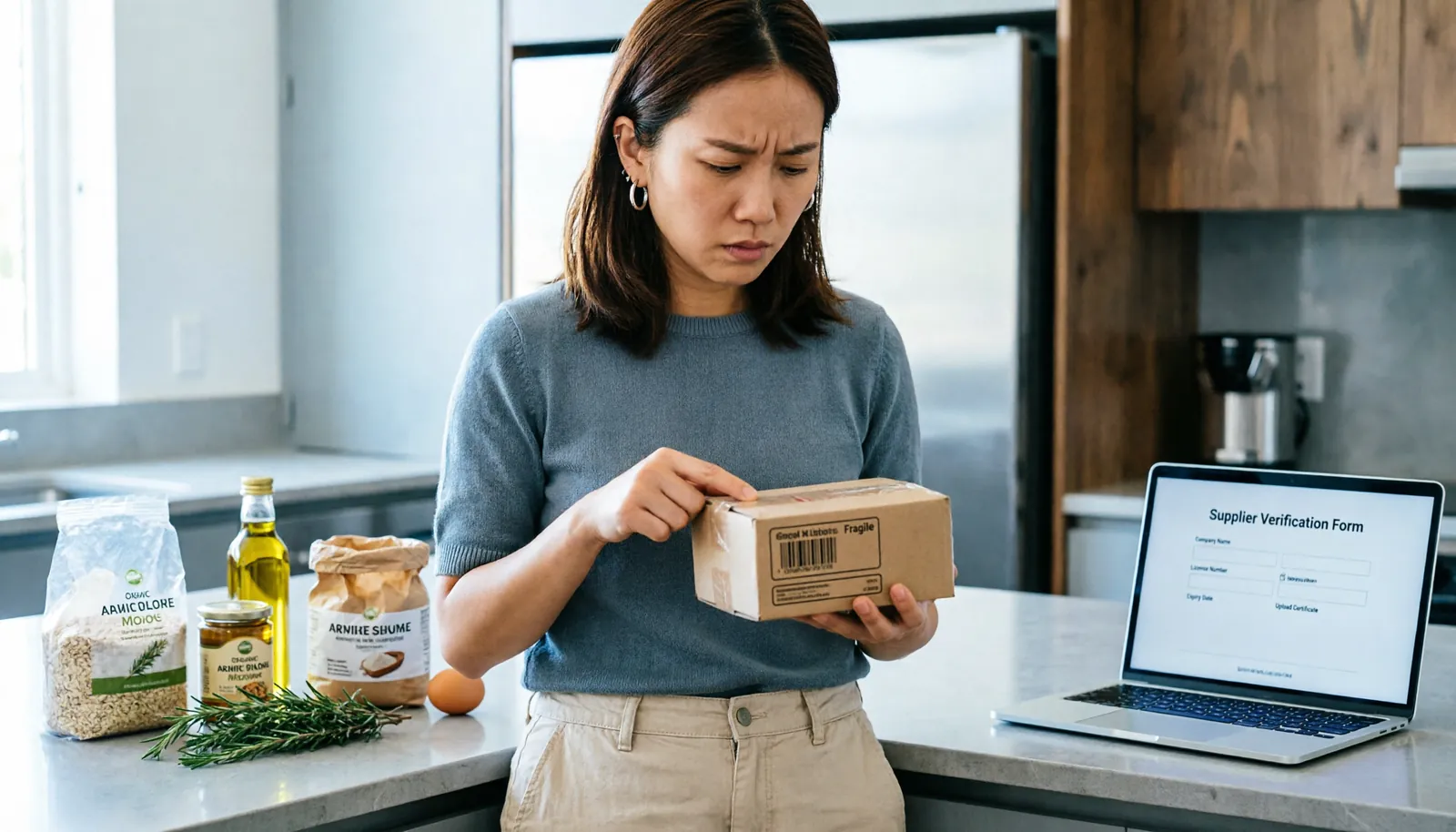
If you can’t find a supplier who provides transparent access to their safety records and certifications, you must abandon the dropshipping model for that product. You should avoid selling organic food if you lack clarity on how it’s being handled. In these cases, it’s safer to purchase small amounts of inventory yourself so you can control the storage and shipping environment personally.
The decision rule is simple: if the supplier refuses to provide a Certificate of Analysis (COA) for a specific batch, don’t list the item. A common mistake is relying on a supplier’s verbal assurance of quality. This oversight costs you your business reputation and potential legal standing if a customer falls ill.
If you aren’t prepared to handle the legal liability of food safety, you should avoid food products entirely. Selling food carries a higher risk of lawsuits and regulatory scrutiny than selling non-consumable goods. In the event of a recall, the FDA holds the seller of record responsible, regardless of who shipped the package.
If the thought of a potential health issue keeps you up at night, focus your business on clothing, electronics, or other physical goods that don’t pose a risk to human health.
You’re in the “high-risk” category if your profit margins are under 20 percent, as you lack the capital to survive a single product liability claim. If your margins are thin and your supplier is opaque, pivot to non-perishable categories immediately. This shift protects your personal assets from the significant financial volatility inherent in the food industry.
Frequently asked questions
Can you dropship organic food safely if it’s shelf-stable?
Yes, you can dropship shelf-stable organic food safely if you verify the supplier’s organic certification and ensure their storage warehouse meets food-grade safety standards. You must also confirm that the packaging is airtight and durable enough to prevent contamination during the shipping process to the final customer.
How long should I keep supplier records?
You should keep all supplier contracts and organic certification records for at least three years, as this is the standard period for most food safety audits. If you’re operating in a specific region, check the website of your local food safety authority to see if they require a longer retention period.
Is it safe to dropship frozen food?
It’s rarely safe to dropship frozen food unless you have a dedicated contract with a specialized logistics provider that guarantees temperature control. Most standard dropshipping partners can’t maintain the necessary sub-zero temperatures, which leads to rapid thawing, bacterial growth, and a high risk of foodborne illness for your customers.
What happens if a customer gets sick?
If a customer claims to have become sick from your product, you must immediately halt all sales of that item and contact your supplier to initiate a product recall. You should also consult with a legal professional to understand your specific liabilities regarding food safety laws in your region.
Does it matter if the supplier is overseas?
Yes, it matters significantly because international suppliers may not adhere to the same organic standards or food safety regulations as your home country. You must verify that their products meet the specific import requirements and organic labeling laws of the country where you’re selling the food.
How often should I audit my suppliers?
You should conduct a full audit of your suppliers at least once every 12 months to ensure their organic certifications remain valid and their safety practices haven’t declined. If you notice any decline in quality or packaging integrity, perform an audit immediately, regardless of when your last check took place.
Conclusion
Start by researching potential suppliers who have verified organic certifications from a reputable government body. Once you have a list, contact them to ask specifically about their storage and shipping protocols for food safety. If you find a supplier that meets all your criteria and provides clear, honest answers, move forward with a small sample order to test their performance before listing their products on your store.
